



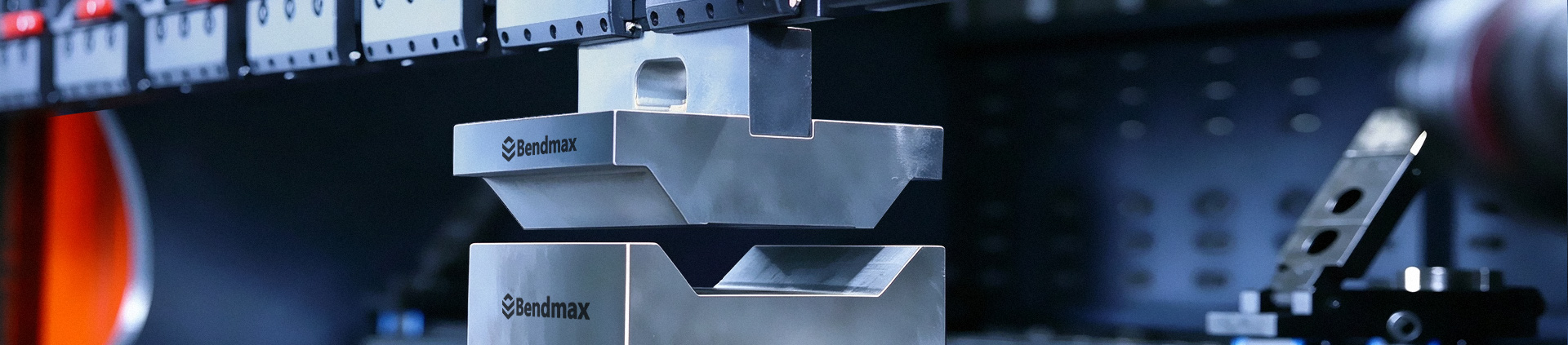
Em artigos anteriores no Blog da Bendmax, compartilhamos diversos conteúdos sobre soluções para prensas dobradeiras, aplicações de ferramentas e comparações de produtos. Esses artigos abordam desafios específicos de dobra e soluções práticas.
Ao aprender sobre ferramentas para prensa dobradeira, é fácil encontrar informações dispersas — um perfil de punção em um lugar, um guia de seleção de matrizes em outro e um exemplo de aplicação em outra página. O que frequentemente falta é uma compreensão clara e sistemática das ferramentas comuns usadas na dobra em prensa dobradeira.
É por isso que estamos lançando nossa próxima Série de Ferramentas Comuns para Prensa Dobradeira.
Nesta série, apresentaremos, um a um, os punções, matrizes e acessórios de ferramentas mais comuns para prensas dobradeiras, ajudando você a construir uma compreensão mais completa de como essas ferramentas funcionam e por que existem diferentes designs.
Do ponto de vista de um engenheiro técnico, exploraremos os princípios de projeto, funções, características de funcionamento e aplicações típicas de cada ferramenta. Mais importante ainda, analisaremos as questões de engenharia por trás das ferramentas:
Por que alguns punções são retos enquanto outros têm um design em forma de pescoço de ganso? Por que as matrizes em V estão disponíveis com diferentes aberturas em V? Quando você deve escolher um punção padrão em vez de um punção em forma de pescoço de ganso? E o que você deve fazer quando as ferramentas padrão não conseguem conformar a peça de trabalho que você precisa?
Em vez de simplesmente listar as especificações do produto, esperamos explicar por que uma ferramenta foi projetada dessa maneira, qual problema ela se destina a resolver, como ela funciona durante o processo de dobra e quando escolhê-la é a decisão certa.
Esperamos que esta série se torne uma referência prática para pessoas que são novas na indústria de ferramentas para prensas dobradeiras — sejam elas operadores de máquinas, compradores de ferramentas, engenheiros de vendas, projetistas, fabricantes ou simplesmente alguém que está começando a aprender como funcionam as ferramentas para prensas dobradeiras.
Mas esta série não pretende ser um guia técnico unilateral.
Acreditamos que o verdadeiro conhecimento sobre ferramentas vem de perguntas, aplicações e experiência prática em dobra.
Se você tiver alguma dúvida sobre punções ou matrizes, não tiver certeza de qual sistema de ferramentas é adequado para sua prensa dobradeira ou estiver tentando dobrar uma peça específica, mas não souber como fazê-lo, entre em contato conosco.
Você pode nos fornecer seu desenho, dimensões, material, espessura, ângulo de dobra e outras informações, ou simplesmente descrever o problema que está enfrentando. Teremos prazer em discutir diferentes opções de ferramentas com você e explorar uma solução prática.
Porque a melhor solução em ferramentas nem sempre começa com um número de produto. Às vezes, começa com uma pergunta.
Ao selecionar uma puncionadeira para prensa dobradeira, muitas operações de dobra não exigem uma ferramenta complexa.
Eles precisam de algo forte, estável e confiável.
É aí que entra o Perfurador Padrão Reforçado.
Sendo uma das ferramentas superiores mais utilizadas para dobra em prensa dobradeira, o Punção Padrão foi projetado com base em um princípio de engenharia simples: fornecer uma geometria de trabalho robusta que suporte cargas de dobra exigentes, mantendo-se versátil o suficiente para a produção diária.
Para dobras gerais de chapas metálicas, essa combinação de resistência, estabilidade e flexibilidade faz do Punção Padrão um elemento fundamental de um sistema moderno de ferramentas para prensa dobradeira.
Mas a força não é a solução para todos os problemas de curvatura.
À medida que as peças de trabalho se tornam mais profundas, os perfis mais complexos e as flanges de retorno se deslocam mais ao redor do punção, outro problema começa a surgir:
Pode simplesmente não haver espaço suficiente ao redor do ponche.
E isso nos leva à próxima pergunta da nossa série sobre ferramentas:
O que acontece quando o Standard Punch fica sem espaço?
A resposta nem sempre é um soco mais forte.
Às vezes, a resposta está em uma geometria diferente.
Quando os socos padrão ficam sem espaço, os socos com a ponta dos dedos em forma de pescoço de ganso abrem caminho.
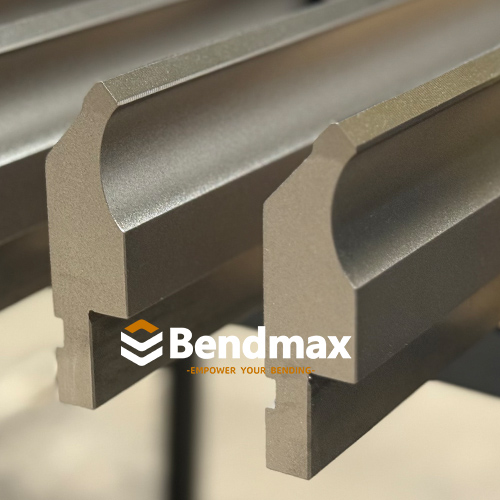
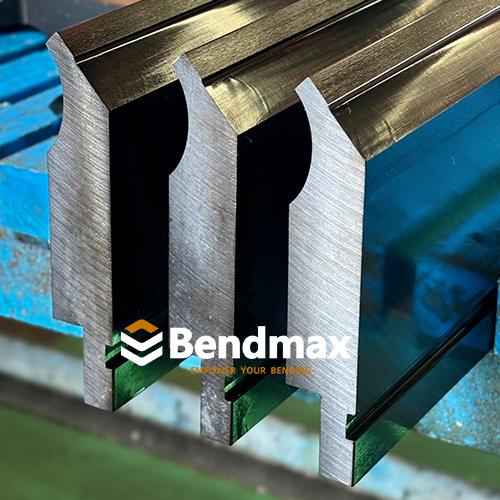
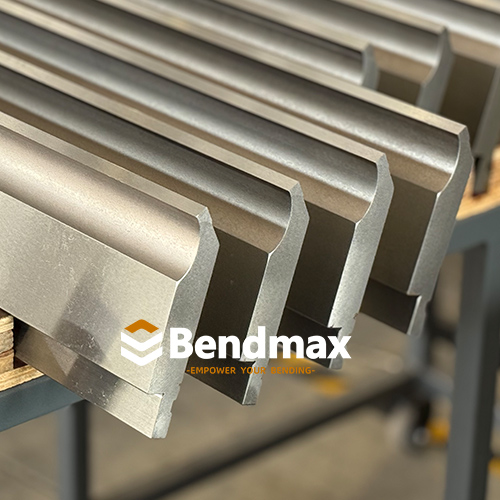
Um punção padrão é a ferramenta superior instalada em uma prensa dobradeira para conformar chapas metálicas contra uma matriz em V inferior.
Durante a dobra, o punção move-se para baixo e força a peça de trabalho para dentro da abertura da matriz. Na dobra no ar, a chapa é apoiada pelos ombros da matriz em V, enquanto o punção controla a posição da dobra e a profundidade de conformação.
O Punção Padrão foi projetado para uma ampla gama de operações comuns de dobra, incluindo:
Seu corpo relativamente robusto oferece boa resistência a cargas de flexão, enquanto a ponta de trabalho determina como a força é transferida para o material.
Em termos simples:
O punção padrão é a ferramenta versátil e confiável do sistema de prensa dobradeira.
A dobra em prensa dobradeira gera forças de conformação significativas.
O punção deve suportar essas forças repetidamente sem deformação excessiva, instabilidade ou desgaste prematuro.
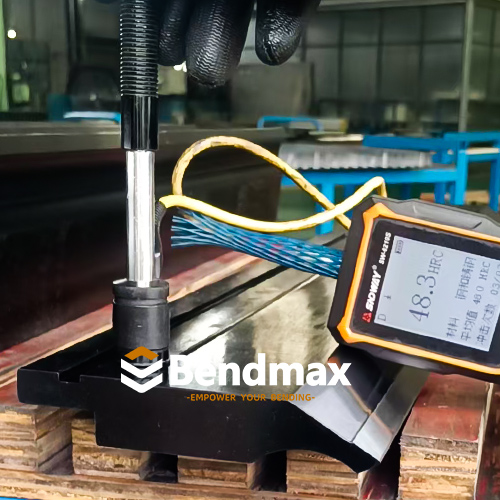
Um corpo de soco robusto ajuda a proporcionar:
Para configurações específicas de serviço pesado do Bendmax, as ferramentas podem ser projetadas para aplicações de alta carga, com alguns modelos atingindo uma capacidade de carga máxima de até 1000 kN/m.
No entanto, esse valor deve sempre ser considerado uma classificação específica do produto, e não uma capacidade universal para todos os furadores Standard Punch.
A carga admissível real depende de fatores como:
Essa é uma distinção importante na hora de selecionar ferramentas para trabalhos pesados.
Um soco que parece mais forte não significa automaticamente um soco com maior capacidade.
O projeto completo da ferramenta determina sua carga de trabalho.
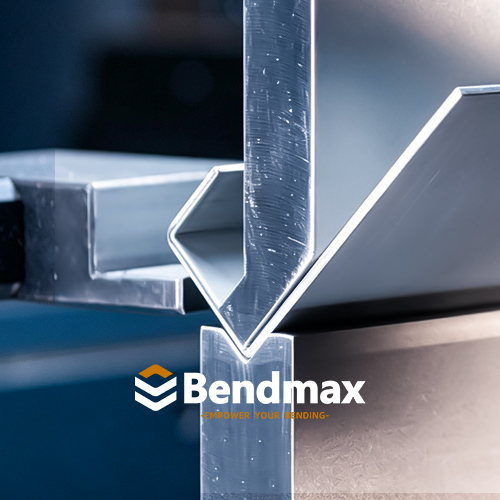
Um punção padrão não é simplesmente um bloco reto de aço temperado.
Seu perfil foi cuidadosamente projetado em torno da área de curvatura.
Muitos modelos de punções padrão incluem um ligeiro relevo côncavo na parte interna, mantendo as laterais externas relativamente planas.
Essa geometria cria uma folga útil ao redor da peça de trabalho.
Para determinadas aplicações com flanges curtas, isso significa que a flange pode se aproximar do corpo do punção sem interferência imediata.
Consequentemente, algumas aplicações que aparentemente exigem um punção tipo pescoço de ganso especial ainda podem ser concluídas com um punção padrão projetado adequadamente.
Mas existe um limite.
O Standard Punch continua sendo, fundamentalmente, uma ferramenta relativamente sólida e robusta.
Quando a peça de trabalho fica mais profunda ou a aba de retorno se estende mais ao redor do punção, a folga disponível pode se tornar insuficiente.
É aí que a geometria das ferramentas se torna mais importante do que simplesmente aumentar a resistência da ferramenta.
Este é um dos conceitos mais importantes na seleção de ferramentas para prensa dobradeira.
Imagine dois problemas diferentes.
A solução pode envolver:
A solução é diferente.
Aumentar a força do soco não cria espaço adicional.
Se a peça atingir o corpo do punção antes da dobra ser concluída, o problema é geométrico.
Você precisa de uma ferramenta que ofereça mais espaço.
Essa distinção pode ser resumida de forma simples:
A resistência resolve problemas de carga. A geometria resolve problemas de folga.
É exatamente por isso que existem diferentes perfis de perfuração.
As ferramentas para prensa dobradeira estão disponíveis em diferentes ângulos de punção, incluindo configurações em torno de 85°, 86° e 88°.
Um punção de 85° não significa que a peça finalizada terá automaticamente uma dobra de 85°.
Em muitas aplicações de dobra a ar, a geometria do punção e da matriz é selecionada para fornecer a folga de conformação e a capacidade de sobredobra necessárias para produzir ângulos em torno de 90°.
O ângulo de curvatura final depende de diversas variáveis, incluindo:
Portanto, o ângulo de punção deve ser considerado como parte do sistema de dobramento completo, e não como uma solução isolada para o retorno elástico.
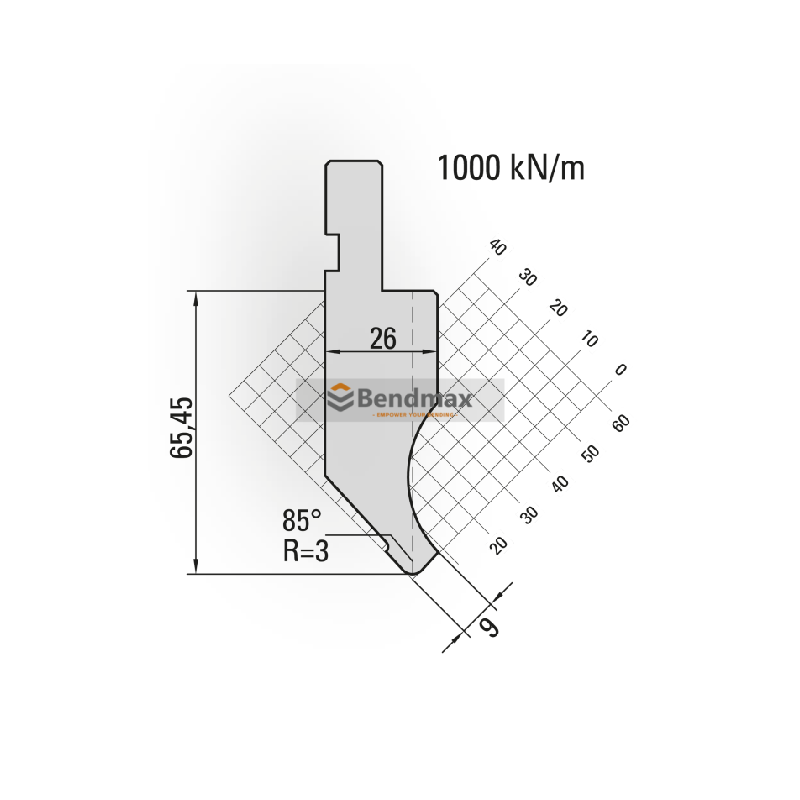
Sistema AMADA Padrão Prensa Dobradeira Punção Nº 11.201
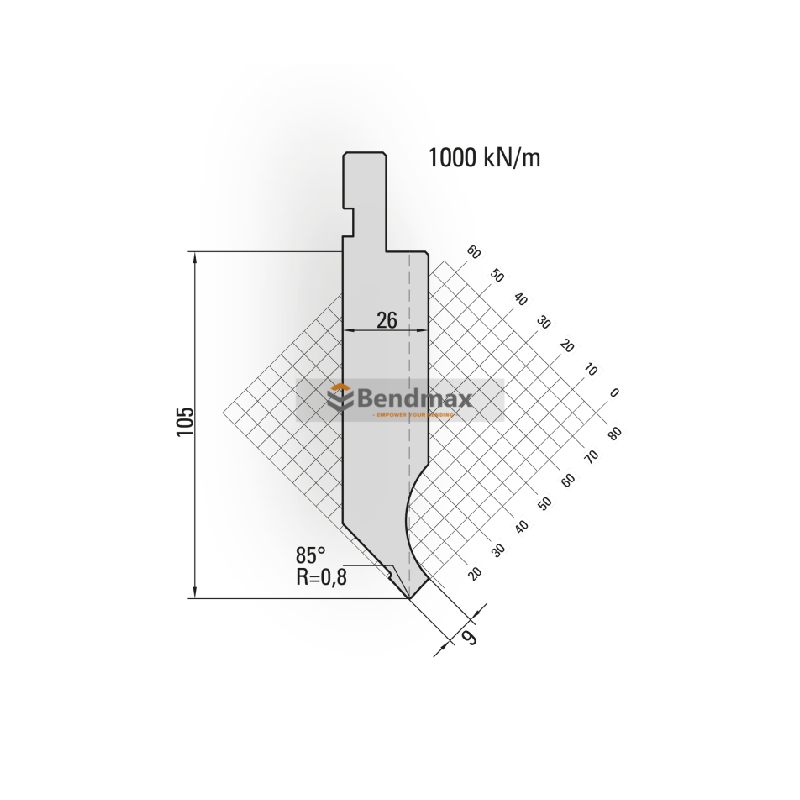
Sistema AMADA Padrão Prensa Dobradeira Punção Nº 11.230
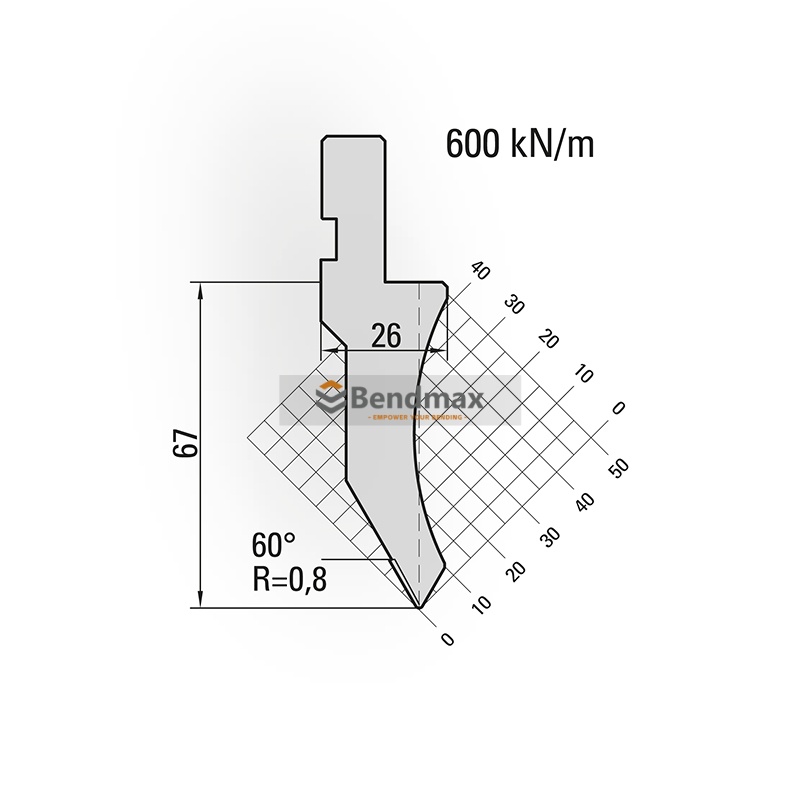
Sistema AMADA Padrão Prensa Dobradeira Punção Nº 10.142
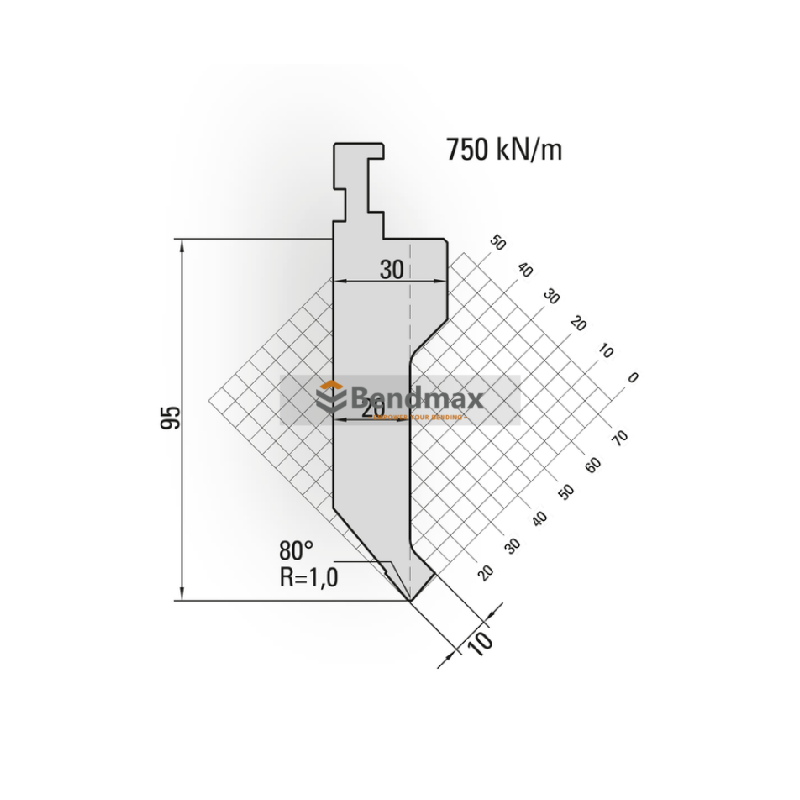
Sistema Wila Tipo II Punção Padrão Nº 14.020
O raio da ponta do punção influencia diretamente o contato entre o punção e a chapa metálica.
Um raio menor pode ser adequado para aplicações que exigem uma curvatura interna mais acentuada, enquanto um raio maior pode ser necessário para materiais mais espessos ou aplicações onde se deve evitar tensões superficiais excessivas.
O raio correto depende de:
Material + Espessura + Abertura em V + Raio Interno Necessário + Método de Dobra
Por esse motivo, a Bendmax não recomenda selecionar uma punção com base apenas em seu ângulo nominal.
A geometria completa do punção deve ser compatível com a matriz inferior e com a aplicação específica.
Para as ferramentas de prensa dobradeira Bendmax, o aço 42CrMo é selecionado para aplicações que exigem uma combinação de resistência, tenacidade e resistência ao desgaste.
O material é particularmente adequado para ferramentas exigentes de prensa dobradeira, pois a ferramenta deve suportar repetidamente cargas de conformação concentradas.
A Bendmax também se concentra no endurecimento das áreas que sofrem contato direto e desgaste.
O endurecimento do raio de trabalho e do raio de entrada ajuda a melhorar a resistência a:
O objetivo não é simplesmente tornar toda a ferramenta extremamente difícil.
Uma ferramenta de prensa dobradeira precisa do equilíbrio certo entre resistência, tenacidade, dureza e estabilidade dimensional.
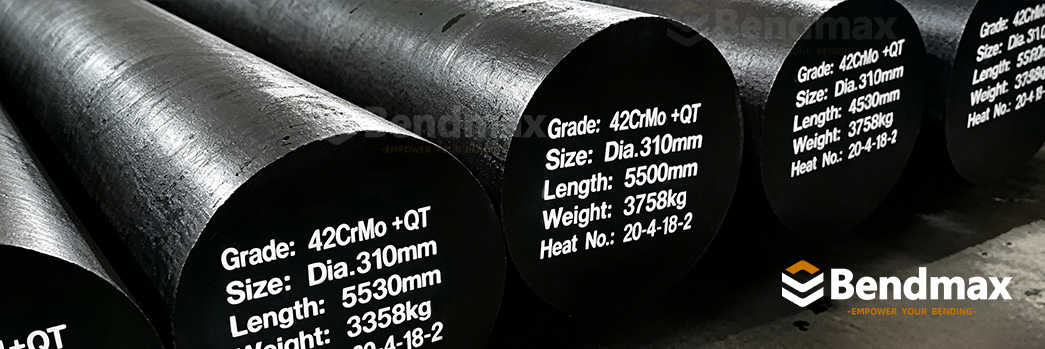
A retificação de precisão é uma parte importante da fabricação de ferramentas para prensas dobradeiras.
As superfícies de trabalho precisam manter uma geometria precisa para que os diferentes segmentos da ferramenta possam trabalhar juntos de forma consistente.
Usinagem e retificação de precisão ajudam a controlar:
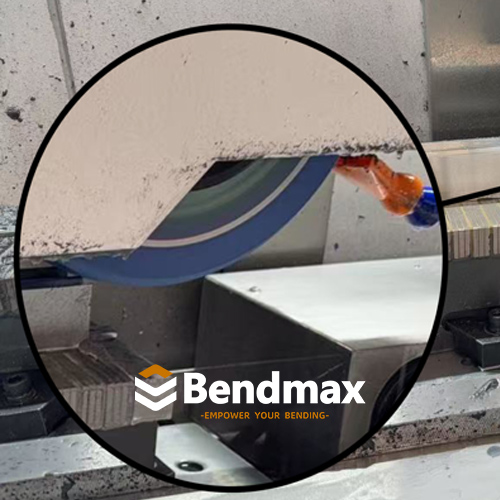
Rebolo de formação
Para ferramentas segmentadas, a consistência dimensional torna-se especialmente importante.
Uma pequena diferença entre segmentos adjacentes pode influenciar a condição de contato e, em última análise, afetar a consistência da flexão.
É por isso que a fabricação de ferramentas de precisão não se resume simplesmente a produzir uma ferramenta que "pareça precisa".
A geometria deve permanecer precisa onde é importante durante a flexão propriamente dita.
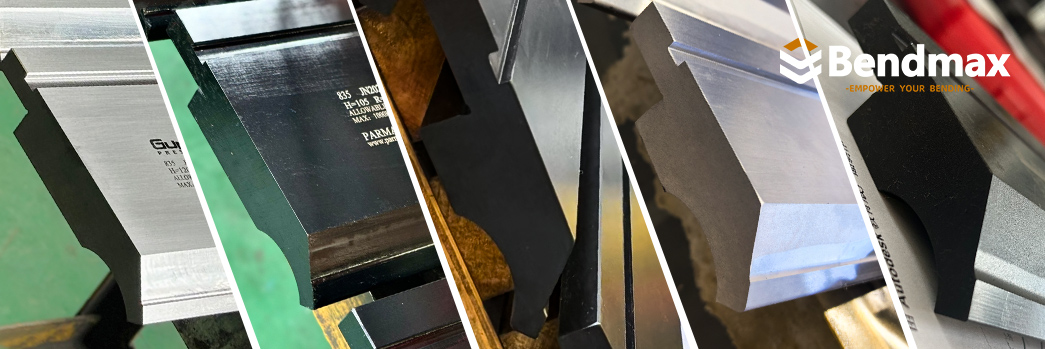
Expositor de ferramentas padrão para prensa dobradeira Bendmax
Sim — quando o punção é projetado corretamente e adequado à aplicação.
Punções padrão para serviço pesado são geralmente escolhidas quando a aplicação exige cargas de flexão mais elevadas e uma estrutura de ferramenta robusta.
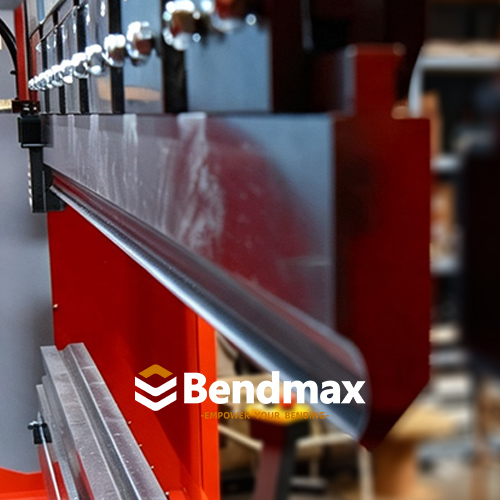
No entanto, a seleção de ferramentas nunca deve ser baseada apenas na espessura do material.
O engenheiro também deve considerar:
Para aplicações exigentes, o sistema de ferramentas deve sempre ser verificado como um sistema completo.
É aqui que a diferença entre as duas ferramentas fica muito clara.
| Recurso | Punção padrão reforçada | Soco de pescoço de ganso |
|---|---|---|
| Principal vantagem | Força e versatilidade | Liquidação |
| Design da carroceria | Robusto/sólido | Geometria de pescoço rebaixado/aberto |
| flexão geral | Excelente | Bom |
| Aplicações para serviço pesado | Opção forte | Dependente da aplicação |
| folga de flange curta | Bom em designs adequados | Excelente |
| Caixas profundas | Limitado pela geometria | Excelente |
| Perfis em U | Limitado pela geometria | Excelente |
| Flanges de retorno | Dependente da aplicação | Melhor acesso |
| Perfis complexos | Limitado | Mais adequado |
| Principal objetivo da engenharia | Suportar cargas de flexão | Evitar interferência entre ferramenta e peça |
O ponto principal é:
Os socos em forma de pescoço de ganso não são simplesmente "socos padrão mais fortes".
Eles resolvem um problema de engenharia diferente.
Um Standard Punch prioriza a resistência estrutural e o desempenho para uso geral.
Um punção tipo pescoço de ganso altera a geometria da ferramenta superior para criar folga adicional.
Um soco padrão costuma ser uma ótima opção quando:
Para muitas oficinas de fabricação, isso faz do Standard Punch a primeira ferramenta a ser considerada.
Não há motivo para usar um punção especializado quando um punção padrão já oferece o desempenho necessário.
A situação muda quando a peça começa a interferir com o punção.
Os sinais de alerta típicos incluem:
Neste ponto, escolher um Standard Punch mais potente não resolve necessariamente o problema.
A questão passa a ser:
Como podemos criar mais espaço na curva?
Essa pergunta nos leva diretamente ao próximo artigo da série Bendmax.
A Bendmax projeta punções padrão com base em três requisitos práticos:
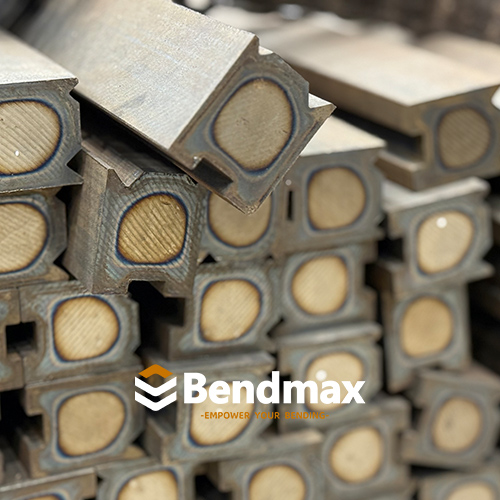
A construção em aço 42CrMo proporciona uma base sólida para aplicações de dobramento exigentes.
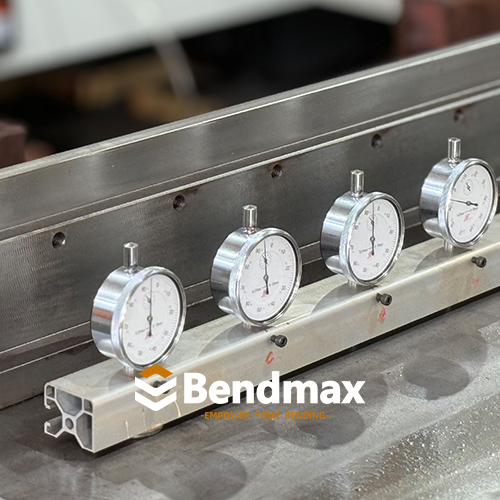
A usinagem e a retificação de precisão ajudam a manter a geometria consistente da ferramenta e a precisão dimensional.
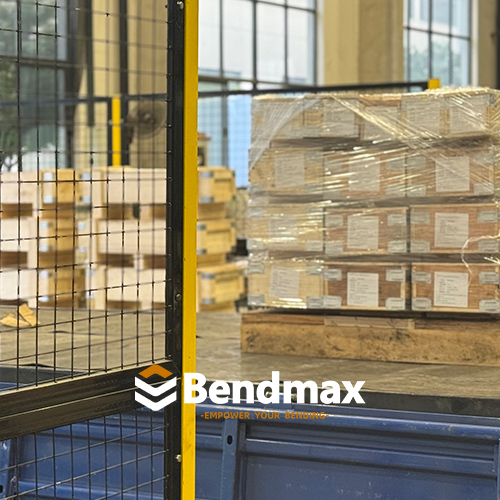
Os perfis de punção padrão são amplamente utilizados, permitindo que a Bendmax mantenha uma produção eficiente e atenda a pedidos recorrentes, demandas em grande volume e prazos de entrega viáveis.
Para clientes que compram ferramentas em grande volume, a produção padronizada também ajuda a melhorar a consistência de um pedido para o outro.
O Standard Punch ensina uma lição importante sobre ferramentas de prensa dobradeira:
Não resolva todos os problemas com mais força.
Uma ferramenta robusta é valiosa quando o desafio é suportar cargas de flexão.
Mas quando a peça não consegue se mover fisicamente ao redor da ferramenta, a resistência deixa de ser a questão principal.
A ferramenta precisa de uma geometria diferente.
E é aí que entra a nossa próxima solução de ferramentas.
Detalhes do produto
Saiba mais sobre essas ferramentas, especificações e compatibilidade.
Soluções relacionadas
Veja as aplicações relacionadas, os métodos de dobra e as discussões sobre ferramentas.
Precisa de um preço?
Conte-nos suas necessidades e receba uma recomendação de ferramentas e um orçamento.
Como a geometria de pescoço de ganso de alta folga resolve os problemas de folga que os punções padrão não conseguem solucionar.
No próximo artigo, abordaremos a questão da resistência e da folga, examinando como os punções tipo pescoço de ganso são projetados para caixas profundas, perfis em U, flanges de retorno e outras aplicações onde um punção padrão convencional pode interferir fisicamente com a peça de trabalho.
 Phone: (0086)-15002165198
 Email: jason@bendmax.com
 Wechat: política de Privacidade
 IPv6 network supported
leave a message
Scan to wechat :

Scan to whatsapp :

 Português


